

Archive Lane believes preservation is about more than files or formats, it’s about understanding context, relationships, and continuity over time. This belief is deeply rooted in genealogical work.
In genealogy, records are only meaningful when they are understood, preserved, and interpreted with care. A document without context, a photo without a name, or a story without structure can easily lose its significance. The same is true for the materials people keep at home.
Archive Lane shares education first because genealogy and preservation, begins with understanding:
Preservation choices today shape what can be understood tomorrow
Small, informed decisions protect context, not just objects
Family history is strongest when records, memories, and materials are cared for intentionally
Some people will use these resources to organize and preserve items on their own. Others may choose professional research or digitization support now or in the future. Both approaches honor the same goal: safeguarding meaning, not just information.
Some links on this page may be affiliate links. Archive Lane may earn a small commission if you choose to purchase through these links, at no additional cost to you. We only share items that we feel best support care and preservation.
Caring for Printed Photos
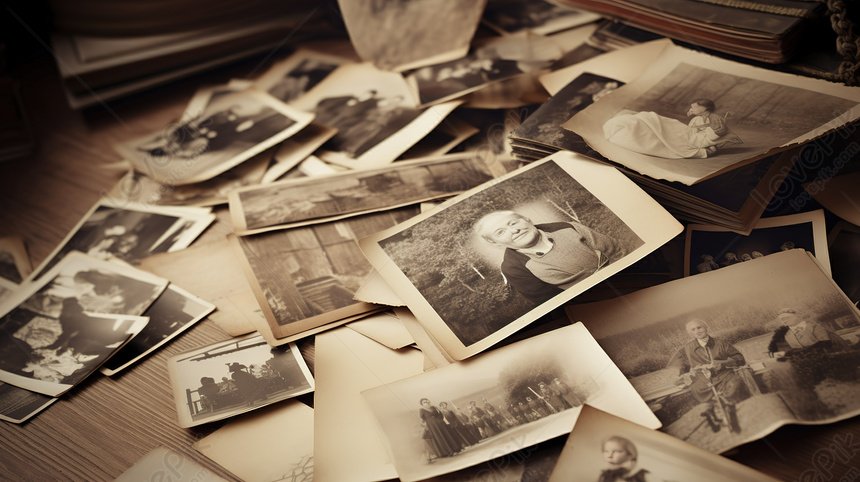
Photographs are often the most emotionally valuable items people keep and among the most vulnerable. Photos are sensitive to light, heat, humidity, and handling. Over time, improper storage can lead to fading, sticking, curling, or surface damage that can’t be reversed.
Helpful considerations:
Store photos away from direct light and moisture - Light and humidity accelerate fading, discoloration, and surface damage over time
Avoid adhesives, rubber bands, or pressure from tight stacks - These materials can stick, stain, or warp photos, especially as they age
Keep related notes or captions with photos when possible - Context is often as valuable as the image itself and is difficult to reconstruct later
Archive Lane recommends using:
Photo-Safe Storage Envelopes made from acid-free, lignin-free paper to help reduce chemical transfer that can damage photographs over time. These are well suited for grouping loose photos while protecting surfaces and preserving context, without the use of adhesives.
Archival Photo Sleeves made from non-reactive plastic to allow photos to be viewed and handled without direct contact. These help reduce surface wear and fingerprints while keeping images visible and easy to reference over time.
Archival Storage Boxes made from acid-free materials to help protect photos and documents from light exposure, pressure, and environmental fluctuations. These boxes provide structured support without compressing contents, making them suitable for both short-term organization and long-term storage.
Organizing & Storing Paper Documents
Documents may include personal records, correspondence, certificates, or historical papers. Paper degrades faster in acidic environments or when exposed to fluctuating temperature and humidity. Original order can also provide important context over time.
Helpful considerations:
Use folders or boxes that won’t transfer acids - Acidic storage materials can weaken paper and accelerate deterioration
Avoid unnecessary handling or re-sorting - Frequent handling increases the risk of tearing and can disrupt original context
Separate fragile or frequently referenced items - This helps reduce wear while keeping important records accessible
Archive Lane recommends using:
Acid-Free File Folders designed to reduce chemical transfer that can weaken paper over time. These folders support organization while helping preserve original order and context, making them suitable for both active reference and long-term storage.
Standard Banker Boxes that provide sturdy, breathable storage for organizing paper documents without compressing them. These boxes are well suited for grouping records while maintaining structure and accessibility over time.
Acid-Free Document Sleeves that help protect fragile or frequently handled papers from tearing, oils, and surface wear. These sleeves allow documents to be viewed and referenced while minimizing direct handling over time.
For those looking for a more guided approach
Some people prefer a structured way to document information, decisions, and context alongside physical materials; especially when organizing family records, legacy items, or long-term plans. Archive Lane also strongly recommends NokBok™, a guided documentation system designed to help individuals record important details, instructions, and historical context related to personal records and meaningful belongings.
NokBox can be used independently or alongside Archive Lane services, particularly genealogy research, document organization, and legacy-focused projects.
Caring for Home Videos & Media
VHS tapes, camcorder tapes, and other home media formats were not designed for permanent storage. Magnetic media degrades over time, even when not in use. Heat, friction, and repeated playback can accelerate deterioration.
Helpful considerations:
Store tapes upright in a stable environment - Upright storage reduces pressure on the tape reels and helps prevent warping
Minimize unnecessary playback - Aging magnetic tape becomes more fragile, and friction can cause stretching or breakage
Avoid rewinding or fast-forwarding aging tapes - Temperature fluctuations and magnetic exposure can permanently damage recordings
Archive Lane recommends using:
Individual Media Storage Protectors help minimize direct handling of VHS cassettes, which is one of the most common causes of tape damage over time. By keeping tapes enclosed during storage and retrieval, you reduce stress on the cassette shell, limit exposure to dust and debris, and lower the risk of accidental drops or misplacement.
Media Storage Bags are designed to hold multiple home video tapes while allowing upright, supported storage. These bags help reduce shifting, pressure, and environmental exposure when tapes are stored together over time.
Digital File Storage
Digital files require just as much care as physical items, just in different ways. Files stored in a single location are vulnerable to accidental deletion, hardware failure, or account loss.
Helpful considerations:
Keep copies in more than one location - Redundancy protects against accidental deletion, hardware failure, or account loss.
Periodically check that files are accessible - File formats, drives, and storage platforms change over time
Use clear naming and folder structures - Organization improves long-term usability, especially when files are shared or revisited years later.
Archive Lane recommends using:
External Storage Drives that provide a reliable way to maintain a local backup of important digital files. Keeping files on a separate physical drive helps reduce reliance on a single device or platform and supports long-term access and redundancy.
USB Flash Drives that offer a simple option for creating secondary copies of important digital files. These are useful for sharing files with family members or maintaining an additional backup separate from primary storage.
Deciding What to Keep, Digitize, or Let Go
Not everything needs to be preserved forever but deciding what to keep can be difficult. It sounds obvious but is meant as a gentle reminder…Once items are discarded or destroyed, they cannot be recovered. Taking time to review materials helps ensure decisions are intentional, not rushed.
Helpful considerations:
Review items after organizing or digitizing - Seeing materials clearly often changes how value is perceived.
Separate items by personal, legal, or historical value - Different categories call for different preservation decisions.
Avoid making disposal decisions under time pressure - One items are discarded or destroyed, they cannot be recovered.
Learn More & Stay Informed
Preservation isn’t a single decision; it’s an ongoing process. Archive Lane occasionally shares insights, explanations, and educational content for those who want to better understand how to care for meaningful materials over time.
Enter your email below to receive occasional emails with preservation insights and updates.